All Categories
Featured
Innovative Asset Management Frameworks for 2026
Future Maintenance Standards for Commercial Properties
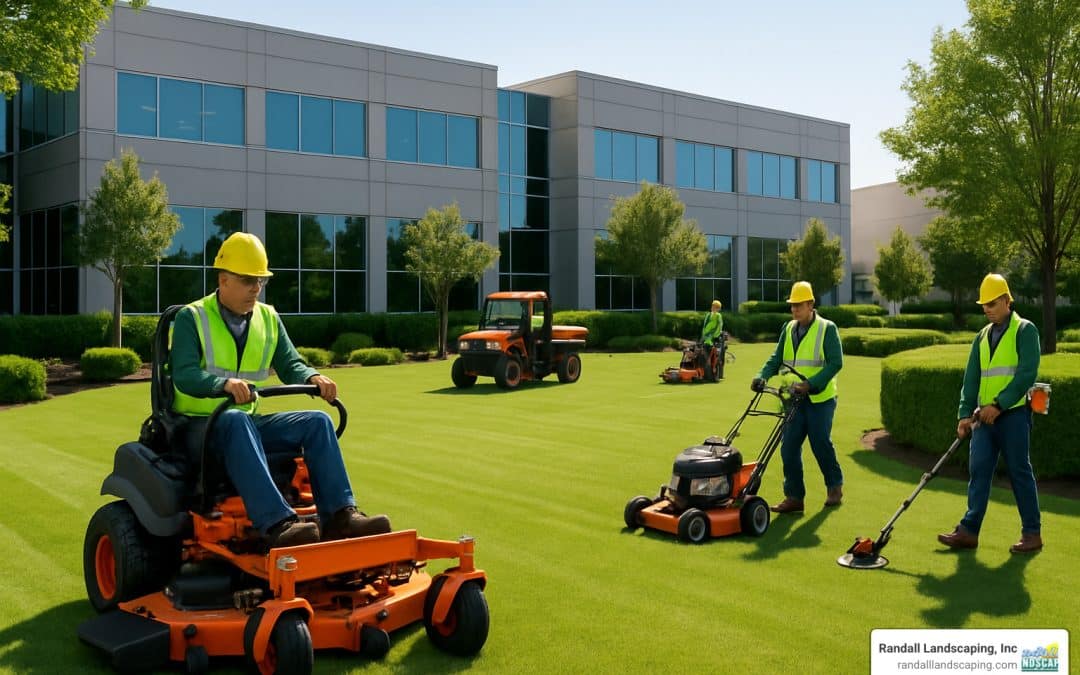

Future Maintenance Standards for Commercial Properties
01 Possession Stock and Urgency Classification Begin with a detailed physical audit of all maintainable properties throughout the property. For each property, record make, design, setup date, place, and replacement cost. Categorize each asset by urgency: life safety systems and tenant-impacting equipment receive the greatest concern, while non-critical assets with easy replacement may be prospects for run-to-failure treatment.
These requirements establish the minimum PM frequency floor; functional experience and condition data might show the need for more frequent intervention. 03 PM Job Library Development Build a standardized library of PM job templates for each property type specifying treatment steps, needed tools and parts, estimated labor time, required specialist certification, and documents requirements.
04 Schedule Optimization and Labor Balancing Map all PM tasks against a rolling 52-week calendar, stabilizing technician work to prevent seasonal traffic jams. Evaluate the distribution of labor hours across weeks to identify peak need durations and pre-plan for professional supplementation or schedule redistribution. A healthy PM schedule eliminates the chronic backlog that collects when Q4 maintenance arrives together with spending plan closeout pressures.
"The basics of residential or commercial property upkeep haven't altered safeguard the property, keep residents safe, and control costs. What has actually changed dramatically is our capability to be proactive rather than perpetually reactive.
Integrated platforms are closing the presence gap that has afflicted multi-property portfolios for years." Evaluated: Strategy Frameworks CMMS Assessment KPI Benchmarks "Residential maintenance is basically an occupant experience issue camouflaged as a functional one. The portfolios retaining homeowners longest are not constantly those with the newest structures they are those responding fastest and communicating most transparently.
Is Your Maintenance Strategy Optimized for 2026?
The asset lifecycle cost designs and criticality category frameworks described in this guide line up specifically with what engineering groups are carrying out. Capital expense forecasting precision enhances significantly when you have clean possession data feeding into a structured CMMS." Evaluated: Property Lifecycle Predictive Upkeep Capital Preparation "Healthcare environments position the most unforgiving demands on upkeep operations regulative compliance is non-negotiable, downtime has direct client safety implications, and assessment paperwork should be airtight.
Any healthcare FM team still running PM schedules on spreadsheets is accumulating regulatory exposure with every passing quarter." Examined: Regulatory Compliance Health Care FM Vendor Management While the underlying concepts of upkeep management use throughout property types, the operational truths of business and residential portfolios differ enough to call for distinct methods to staffing, vendor management, regulative compliance, and software application configuration.

The following stack represents the integrated innovation architecture that top-quartile maintenance operations are deploying throughout their portfolios. Structure Layer Central system of record for all work orders, properties, PM schedules, and upkeep history. The functional core that all other tools incorporate into. A/C, lighting, and structure controls combination offering real-time devices status and energy usage data.
Predictive designs examining maintenance history, seasonal patterns, and asset age to anticipate maintenance need, labor needs, and parts stock requirements 30 to 90 days forward. Operations Layer Field-first tools making it possible for work order management, picture documentation, parts consumption logging, and digital signature capture without desk access. Contractor-facing user interfaces for work order dispatch, advance tracking, billing processing, and compliance document management.
Multi-Site Portfolio MaintenanceComprehending where your maintenance cost structure sits relative to industry standards is the requirement to any significant cost optimization effort. Home Type Annual Upkeep Expense/ Sq.
Ft. Top Cost Motorist Class A Workplace $3.50 $5.50 55 65% 8 12/ year A/c and mechanical systems Retail/ Shopping Center $2.80 $4.20 45 55% 10 16/ year Roof and parking facilities Commercial/ Storage facility $1.50 $2.80 40 50% 5 9/ year Dock devices and lighting Multifamily Residential $850 $1,400 per system 35 45% 3 5 per unit/ year Device repair work and unit turns Health care/ Medical Office $5.50 $9.00 65 75% 14 22/ year Regulatory compliance and MEP systems The upkeep challenges that residential or commercial property teams deal with in 2026 are not just scaled-up variations of the problems from prior years.
01 Skilled Trades Lack and Labor Cost Inflation The a/c, electrical, and plumbing service technician pipeline continues to fall well short of demand, pushing contractor rates and internal settlement costs substantially above CPI. Residential or commercial property groups reacting by purchasing professional cross-training, tactical preventive upkeep to reduce emergency call volume, and self-service occupant portals that lower low-complexity work order consumption are demonstrating quantifiable cost containment advantages.

Latest Posts
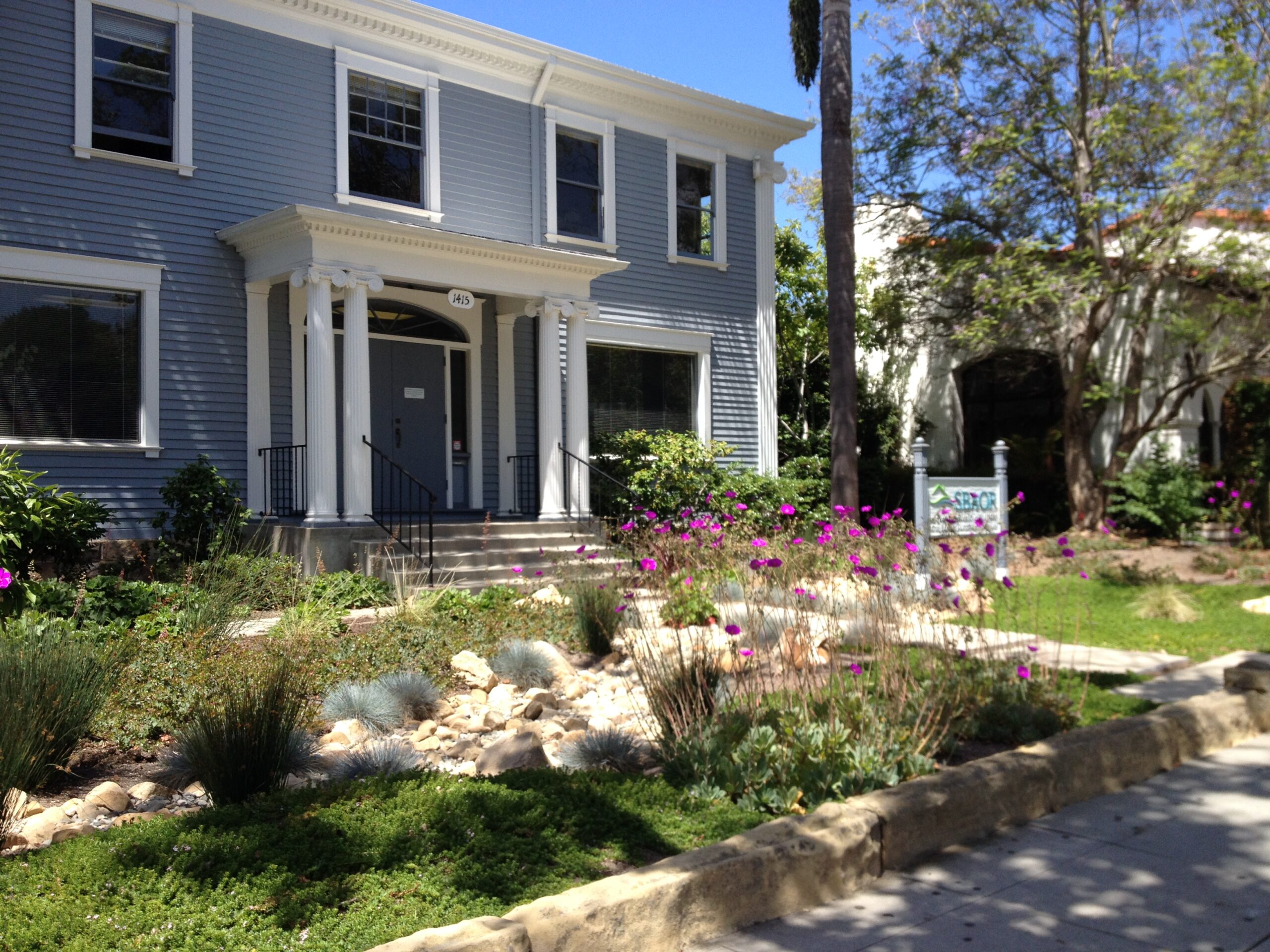
2026 Landscape Maintenance Standards in Industrial Portfolios

Innovative Asset Management Frameworks for 2026
Future Maintenance Standards for Commercial Properties