All Categories
Featured
Leveraging Smart Systems in Grounds Management
Optimizing Multi-Site Efficiency for Regional Managers
Leveraging Digital Tools for Maintenance Efficiency


Key Tips to Upgrading Corporate Grounds
Table of Contents
04 Tenant Experience Expectations and Digital Service Demand Commercial and residential occupants in 2026 anticipate digital-first service experiences online submission, real-time status updates, and resolution verification as standard functionality, not a premium offering. Characteristic that still accept upkeep requests by phone or e-mail and offer no status exposure are losing renters to competitors who have invested in service experience innovation.
This fragmentation makes portfolio-level KPI reporting difficult without manual data assembly and introduces costly reconciliation mistakes in vendor payment and service warranty tracking workflows. OxMaint brings work orders, preventive maintenance, asset tracking, vendor management, and analytics together in one platform providing property and center groups the functional intelligence to work smarter, minimize expenses, and deliver much better occupant experiences.
Facility management is a broader discipline that encompasses upkeep plus space planning, occupant services, workplace experience, sustainability management, and strategic property planning. Maintenance management is generally a core functional function within facility management instead of a different discipline. ROI is typically determined throughout 4 value dimensions: labor expense decrease from improved scheduling and lowered overtime; emergency repair cost reduction from greater PM compliance rates; contractor expense savings from improved vendor management and competitive bidding; and revenue security from reduced renter conflicts, lease defaults, and job brought on by upkeep failures.
Key Steps to Upgrading Commercial Operations
Market finest practice targets a PM compliance rate the percentage of scheduled preventive upkeep jobs finished on time of 95 percent or higher. A rate below 85 percent shows a structural imbalance between PM volume and offered labor, and normally associates with rising emergency situation repair rates as postponed preventive work converts to reactive failures.
Concern task should be implemented through the CMMS to prevent concern inflation, where routine requests are labeled urgent to get faster attention. The minimum practical information structure includes a total property register with setup dates and requirements, at least 12 months of historical work order information, current supplier agreements and contact info, and suitable regulatory examination records.
Information quality and completeness consistently show more vital than raw information volume in determining CMMS efficiency.
Is Portfolio Asset Strategy Optimized by 2026?
Home upkeep in 2026 is having its own glow-up. What used to be a reactive chore has formally entered its "systems period." Occupants anticipate fast responses, regulators anticipate compliance, and as a property manager, your budget plan expects fewer surprises. If maintenance still feels like a series of emergency situations instead of a strategy, the year ahead will feel longer than it needs to.

This blog describes proven residential or commercial property upkeep methods that protect worth, minimize threat, and keep your rental running efficiently throughout the year. Secret TakeawaysPreventive maintenance in 2026 expenses less than reactive repair work. Upkeep planning has a direct effect on compliance, liability, and occupant retention. Structured systems consistently surpass last-minute repairs. You run in a rental environment where minor issues escalate quickly.
When you deal with upkeep as a strategic concern, you lower threat, stabilize costs, and protect your financial investment in the long term. Reactive upkeep awaits issues to appear. Preventive maintenance works to ensure they never ever do. In 2026, this distinction matters especially, as emergency situation repair work now feature higher labor costs, longer wait times, and higher trouble for everybody involved.
By dedicating to a preventive approach, you lower the likelihood of emergencies, support repair expenses, and keep your property operating without consistent disruption. Tenant expectations have actually developed considerably.
Fulfilling maintenance expectations regularly leads to smoother interaction and longer tenancies. Upkeep responsiveness has become one of the greatest impacts on renter fulfillment in 2026.
Future Maintenance Standards for Commercial Real Estate
Failing to deal with maintenance problems can lead to violations, penalties, or disagreements. Proactive maintenance assists you stay aligned with evolving policies.
Deferred upkeep typically does not reveal immediate damage, however its long-lasting impact can be substantial. Characteristic that receive consistent maintenance maintain stronger resale appeal and command better pricing over time.
Seasonal upkeep checklists help you prepare for possible issues before they occur. Inspecting systems at the ideal time minimizes emergency situation calls and safeguards significant components.
Trustworthy vendors are a crucial part of efficient maintenance management. Trusted vendors comprehend your property requirements and expectations.
Actionable Tips for Upgrading Corporate Grounds
Repair histories assist determine recurring concerns and guide replacement planning. It is a core operational tool. Digital maintenance platforms have actually altered how maintenance is tracked and managed.
Innovation minimizes missed tasks and communication gaps. When maintenance procedures are structured, issues are dealt with faster and with less errors. Clear procedures reduce damage and limit downtime when immediate issues occur.
Maintenance quality has a substantial impact on whether occupants stay or leave. Poor upkeep drives turnover. Consistent upkeep supports steady tenancy and long-lasting efficiency.
Core practices keep steady and predictable operations. Regular evaluations recognize problems early. Recorded repair work histories provide clearness. Clear action timelines handle expectations. These basics prevent mayhem and support long-lasting success. Insurance coverage providers expect reasonable maintenance. Overlook can compromise coverage or complicate claims. Upkeep diligence demonstrates responsibility and lowers liability direct exposure.
Maintenance is a crucial part of danger management. Without systems, maintenance needs consistent attention. How typically should preventive maintenance examinations be arranged in 2026?

Latest Posts

Leveraging Smart Systems in Grounds Management
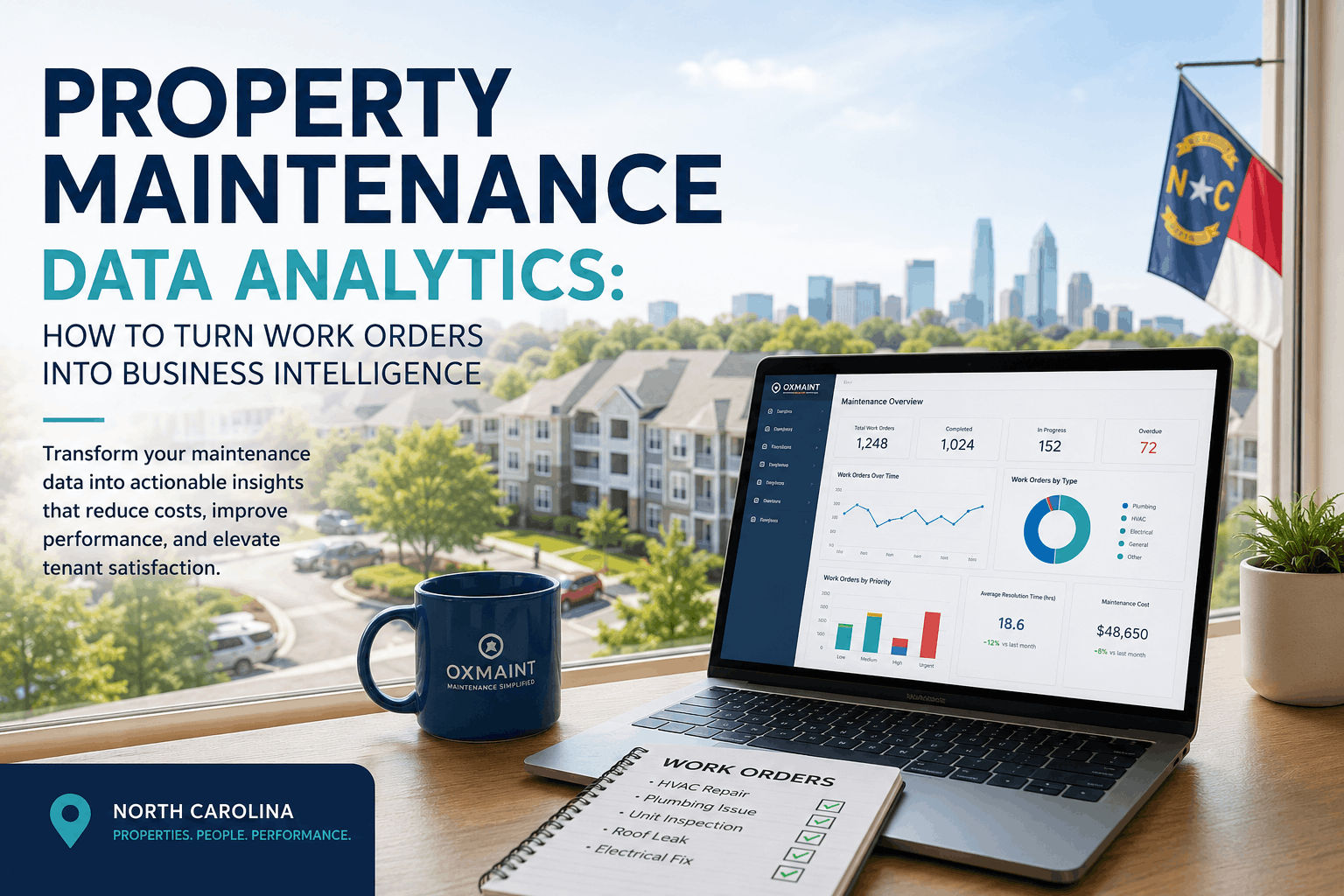
Optimizing Multi-Site Efficiency for Regional Managers

Leveraging Digital Tools for Maintenance Efficiency